
Grip Strength Training: Methods, Measurement and Practical Progress
A useful grip program begins with a specific task, a repeatable exercise and a way to measure progress. Search popularity and product superlatives do not establish that a training method is effective for you.
Choose the grip task
- Squeezing: an appropriately adjusted gripper or dynamometer test.
- Pinching: a controlled plate or block hold.
- Supporting: a carry, bar hold or supported hang.
- Rope gripping: a controlled carry, row or hang using a compatible rope attachment.
Keep the comparison fair
Record equipment, resistance, assistance, duration, rest and the reason you stopped. A change in rope diameter or body position can change the result without representing a change in strength.
Build gradually
Begin with one or two manageable sets after your main exercise. Leave recovery between demanding sessions and add only one variable when the current work is controlled. Treat a sample schedule as a coaching starting point, not a promise of results within a fixed time.
Use Monkee Grips for a clear purpose
Rope grips can make holding the attachment a focus of an exercise. Keep standard handles available when grip fatigue would stop the larger muscle groups receiving the intended work. No tool has been established here as universally faster, safer or better for health.
Read more
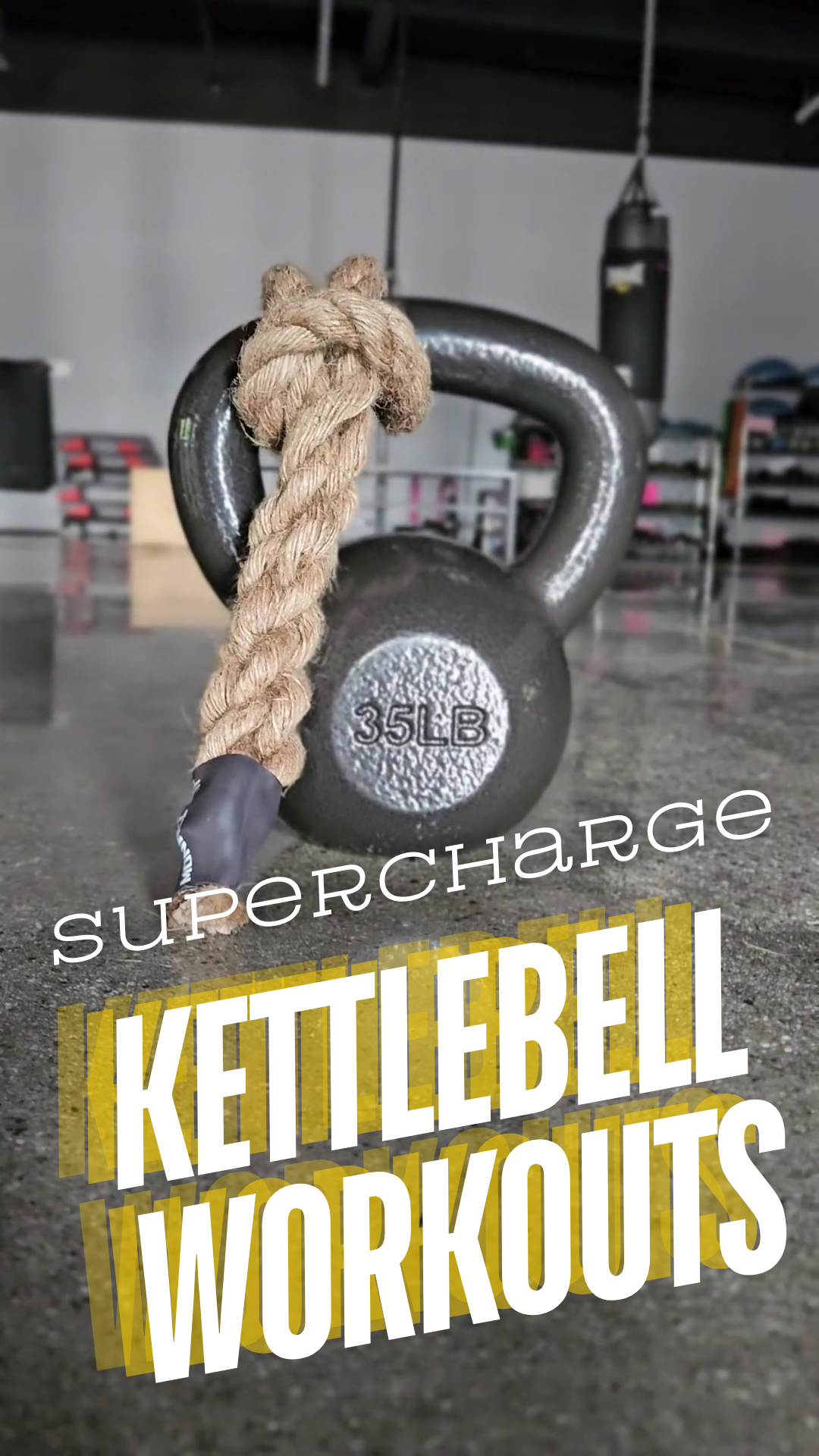
Using Monkee Grips Alongside Kettlebell Training
Use compatible, controlled kettlebell setups and distinguish a grip challenge from unsupported full-body or injury-prevention benefits.
Read more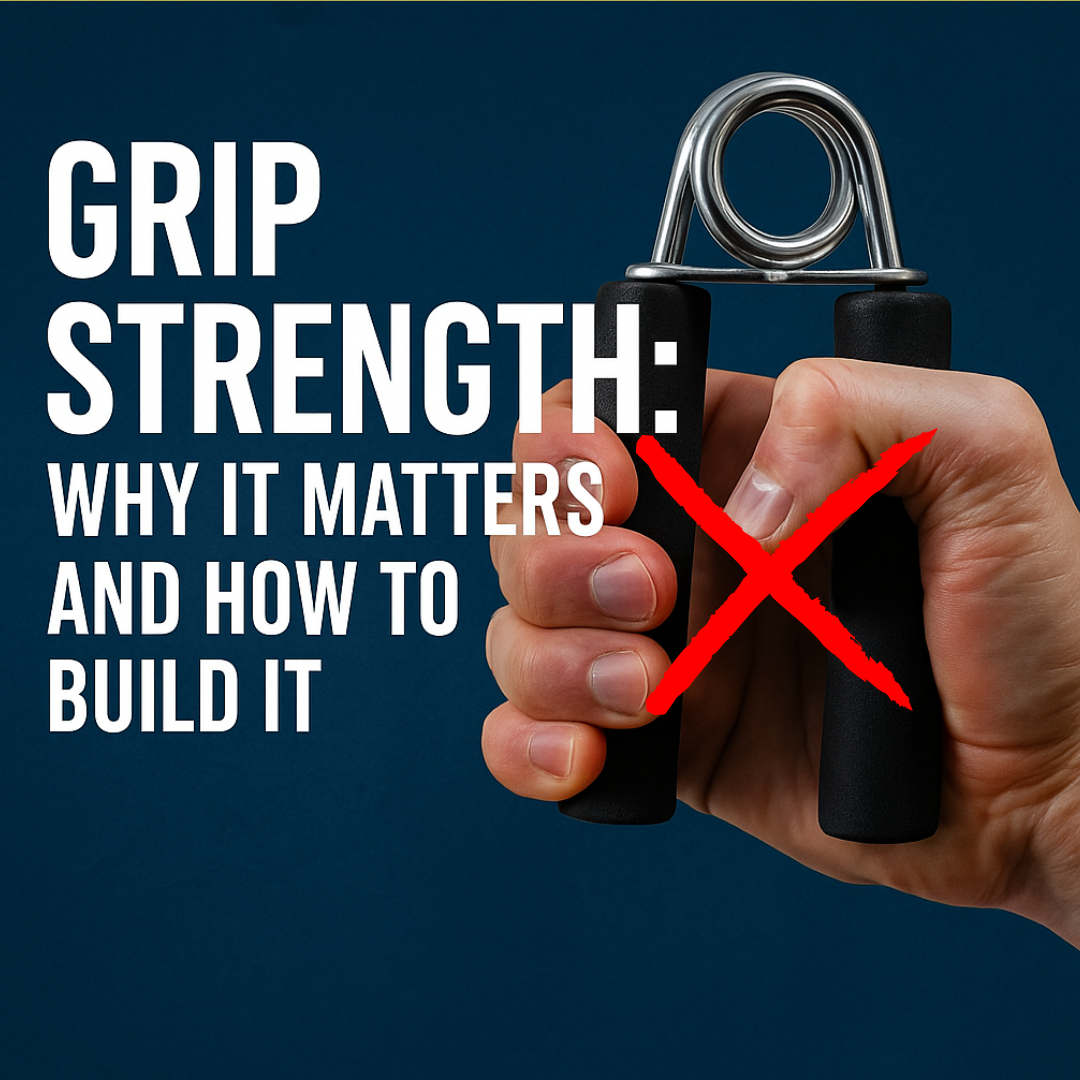
Grip Strength: Why It Matters and How to Build It
This blog post dives into why grip strength is more than just a fitness buzzword—it’s a foundational element for athletic performance, injury prevention, and everyday functionality. It covers the s...
Read more