
Why Grip Strength Limits Your Deadlift More Than Your Back or Legs
Most lifters assume their deadlift is limited by their back or legs.
Often, it is not.
It is their grip.
The deadlift is only as strong as your connection to the bar. If your hands cannot hold the load, your posterior chain never gets the chance to show its full strength.
The Hidden Bottleneck
Your legs and back can be strong enough to move the weight, but if your fingers start to open, the lift is over. This is why many lifters fail reps that feel physically “light enough” for their body but still slip out of their hands.
Knurling, chalk, and mixed grip can help, but they often mask the real issue instead of solving it. They improve friction with the bar, but they do not always build stronger hands.
Hanging On vs Controlling the Bar
There is a difference between holding onto a bar and actively controlling it.
A passive grip relies on bar texture and positioning. An active grip requires the hands and forearms to constantly apply force to keep the bar secure.
The more your training builds active grip strength, the more stable your deadlift becomes under heavy loads and fatigue.
Why Grip Fails First
Grip muscles are smaller and fatigue faster than the large muscle groups used in a deadlift. If they are not trained directly, they become the weak link.
This shows up as:
The bar rolling in your fingers
Losing the bar at the top of a rep
Cutting sets short because your hands are done
When grip fails, the set ends, even if your legs and back had more to give.
Training Grip for Real Carryover
Grip improves when it is trained with intention. That means:
Submax holds
Consistent exposure
Progressive time under tension
Adequate recovery for tendons and connective tissue
Simply deadlifting more is not always enough. Many strong lifters add separate grip work because it lets their main lifts progress further.
Where Monkee Grips Fit In
Monkee Grips use thick rope and friction instead of a rigid handle. Your fingers do not get a hard ledge to lock onto, so your grip must stay active the entire time.
This trains:
Finger strength
Open-hand strength
Grip endurance
Coordination under load
All of which carry over to holding a barbell more securely.
The Long Term Payoff
When your grip stops being the limiting factor, your deadlift training becomes more productive. You can push your posterior chain closer to its true capacity without your hands ending the set early.
Stronger hands also tend to support better bar control, better confidence under load, and more consistent performance across sets.
Grip strength is not flashy, but it is foundational.
Build it patiently and your deadlift has more room to grow.
Read more
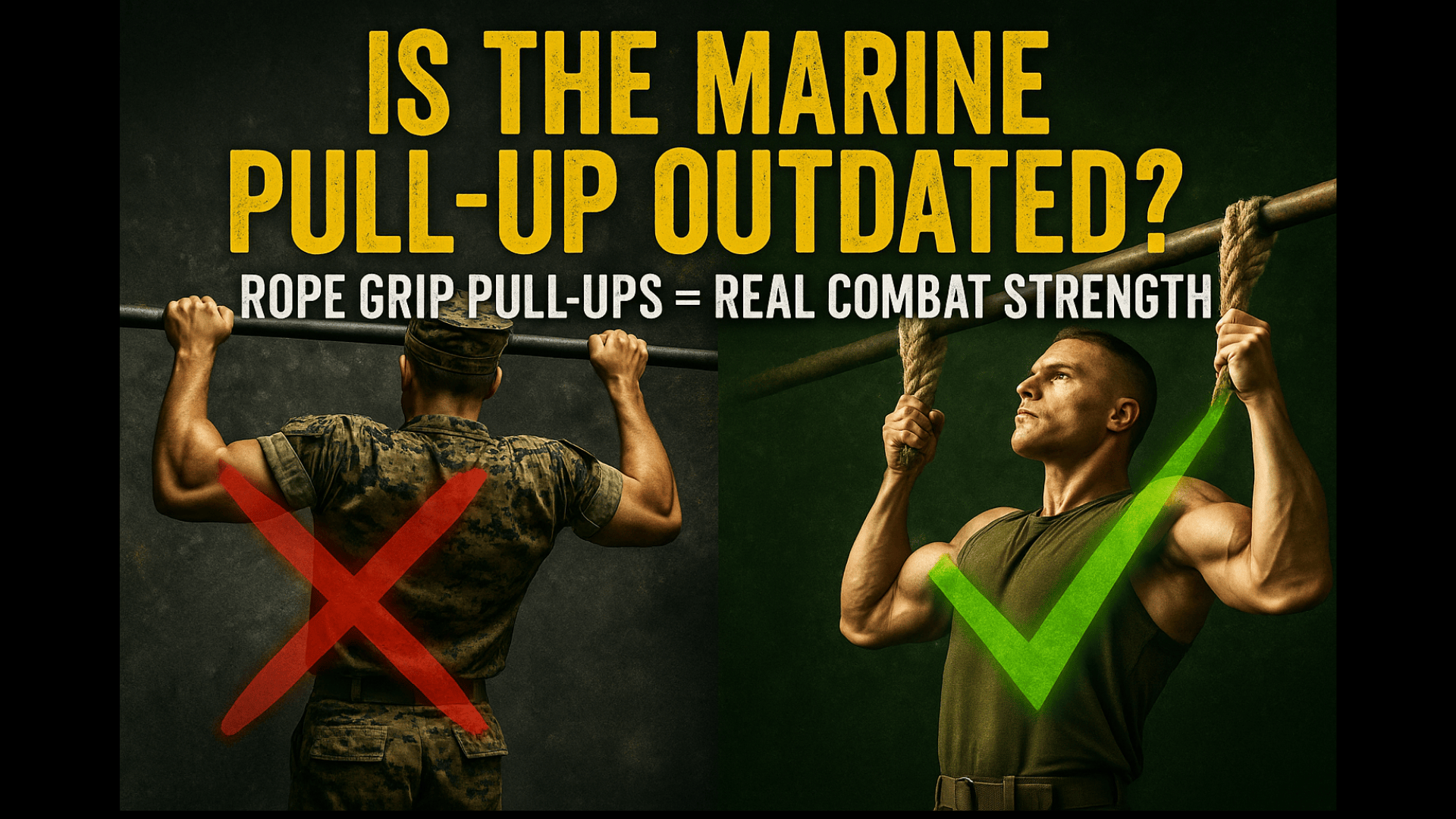
The standard pull-up may build strength—but it doesn’t prepare soldiers for the instability, fatigue, and grip failure of real combat. Monkee Grip pull-ups introduce friction-based instability that...
Read more
How Rope Grip Training Builds a Deadlift That Holds Under Fatigue
A lot of deadlifts don’t fail on the first rep.They fail on the last few. The bar starts to slip.Your fingers start to open.Your body feels strong enough, but your hands can’t keep the bar. That’s ...
Read more