

Grip Strength as a Health Indicator: What It Can and Cannot Tell You
Handgrip strength is a quick measurement of squeezing force, usually taken with a dynamometer. Researchers use it as one indicator of physical capability.
Association is not a treatment effect
Leong et al., 2015: PURE cohort linked lower grip strength with higher mortality. The study did not test whether grip training or Monkee Grips prolong life.
Health, body size, activity, illness and training history can influence both grip and outcomes. A low reading does not diagnose a disease; a high reading does not rule one out. Grip alone cannot predict whether an individual will fall.
Use a repeatable test
Use the same device, handle setting, posture and testing procedure. Interpret an unexpected result in context, especially if pain or fatigue affected the attempt. A hang measures a different task and should not be converted into a clinical grip score.
Train for useful capability
Practice manageable carries, rows or supported hangs as part of a broader exercise routine. Choose equipment and loads you can control. Get unexplained or sudden weakness assessed rather than simply adding more grip work.
Demonstrations and related guides
Read more

Benefits of Improving Your Grip Strength
Understand the practical benefits of grip training, the limits of health research, and how to build it into a balanced routine.
Read more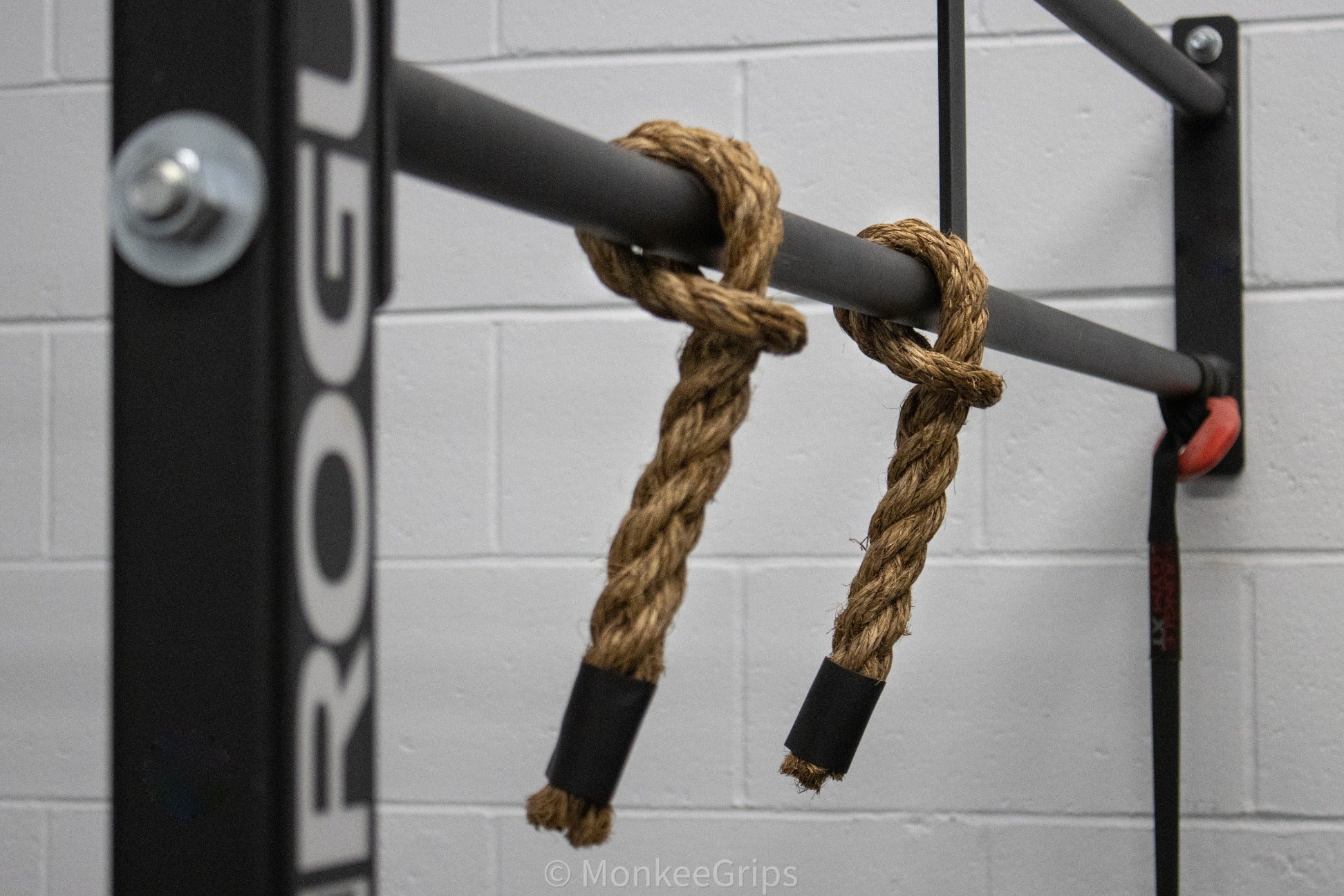
Why Rope Climbs Feel Different From Bar Pull-Ups
Learn how rope and bar handholds differ, correct grip terminology, and how to track a useful training progression.
Read more
Leave a comment
This site is protected by hCaptcha and the hCaptcha Privacy Policy and Terms of Service apply.