
Grip Strength in Law Enforcement: Training and Its Limits
Grip capacity is one component of general physical preparation for work that involves carrying and pulling. It should be developed alongside the rest of an officer's fitness and role-specific training.
A fitness exercise is not operational evidence
Monkee Grip carries and hangs do not establish improved firearm accuracy, safer restraint, preserved fine motor skill under stress or better decision-making. Those outcomes require their own instruction, standards and assessment.
Build a repeatable training exercise
Use a manageable carry, controlled row or foot-supported hang. Keep the same equipment, load, duration and rest when comparing sessions. Stop with enough control to put the load down or return weight to your feet.
Fit the exercise to the program
Use rope grips when grip is an intended training target. Keep normal handles when grip fatigue would limit the main exercise. Coordinate demanding work with recovery and the broader training schedule.
Demonstrations and related guides
Read more
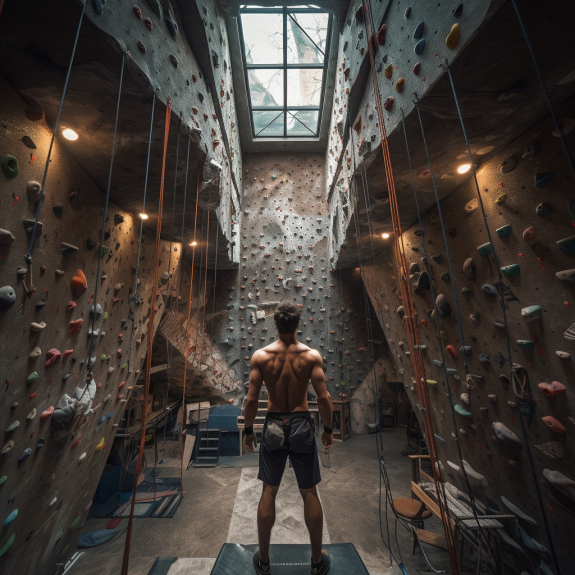
Supplemental Grip Training for Rock Climbers
Fit supplemental grip exercises into rock climbing while keeping sport-specific practice and recovery at the center of the program.
Read more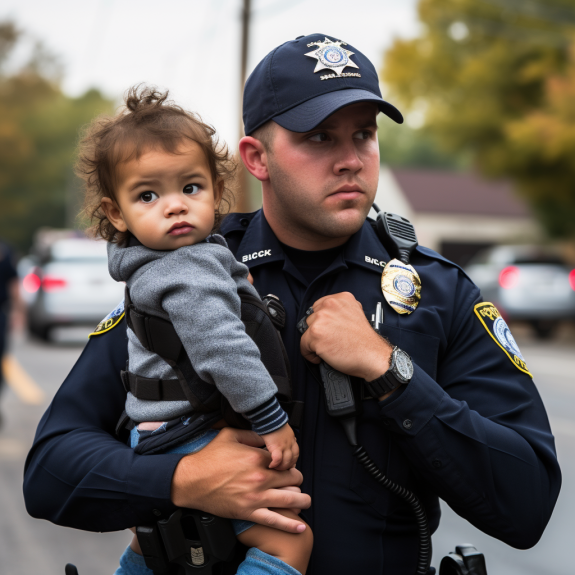
Grip Strength in Law Enforcement: Training and Its Limits
A role for grip exercises in general fitness, without unsupported claims about firearms, restraint or job performance.
Read more
Leave a comment
This site is protected by hCaptcha and the hCaptcha Privacy Policy and Terms of Service apply.