
Grip Strength and Mental Health: Understanding the Research
Grip strength and mental health have been studied together, but a hand exercise is not a proven treatment for depression, anxiety or cognitive decline.
What the study found
Jiang et al., 2022: grip strength, brain structure and mental health analyzed more than 40,000 UK Biobank participants. Stronger grip was associated with several measures of cognitive function, well-being and brain structure. These were observational analyses, not a randomized grip-training intervention.
What it cannot establish
The findings do not show that squeezing harder changes brain volume, that Monkee Grips improve mental health, or that a grip score can diagnose a psychiatric condition. Other aspects of health and lifestyle can contribute to the associations.
A reasonable training takeaway
If you enjoy grip work, include it in an exercise routine you can sustain. Track training outcomes such as controlled repetitions, carry distance or hang duration. Keep mental-health care decisions separate from marketing claims about a fitness tool, and seek appropriate support for ongoing symptoms.
Demonstrations and related guides
Read more
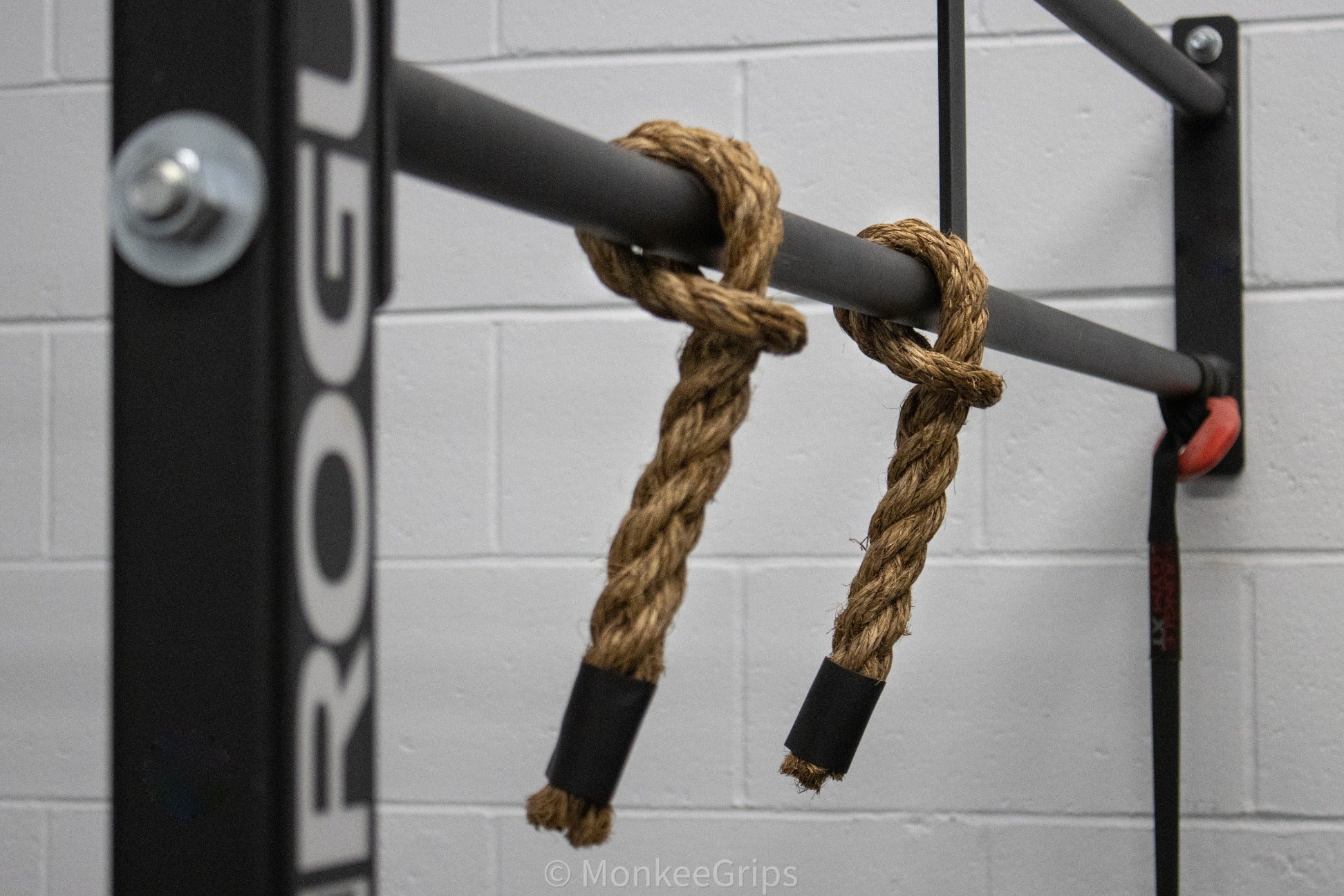
Why Rope Climbs Feel Different From Bar Pull-Ups
Learn how rope and bar handholds differ, correct grip terminology, and how to track a useful training progression.
Read more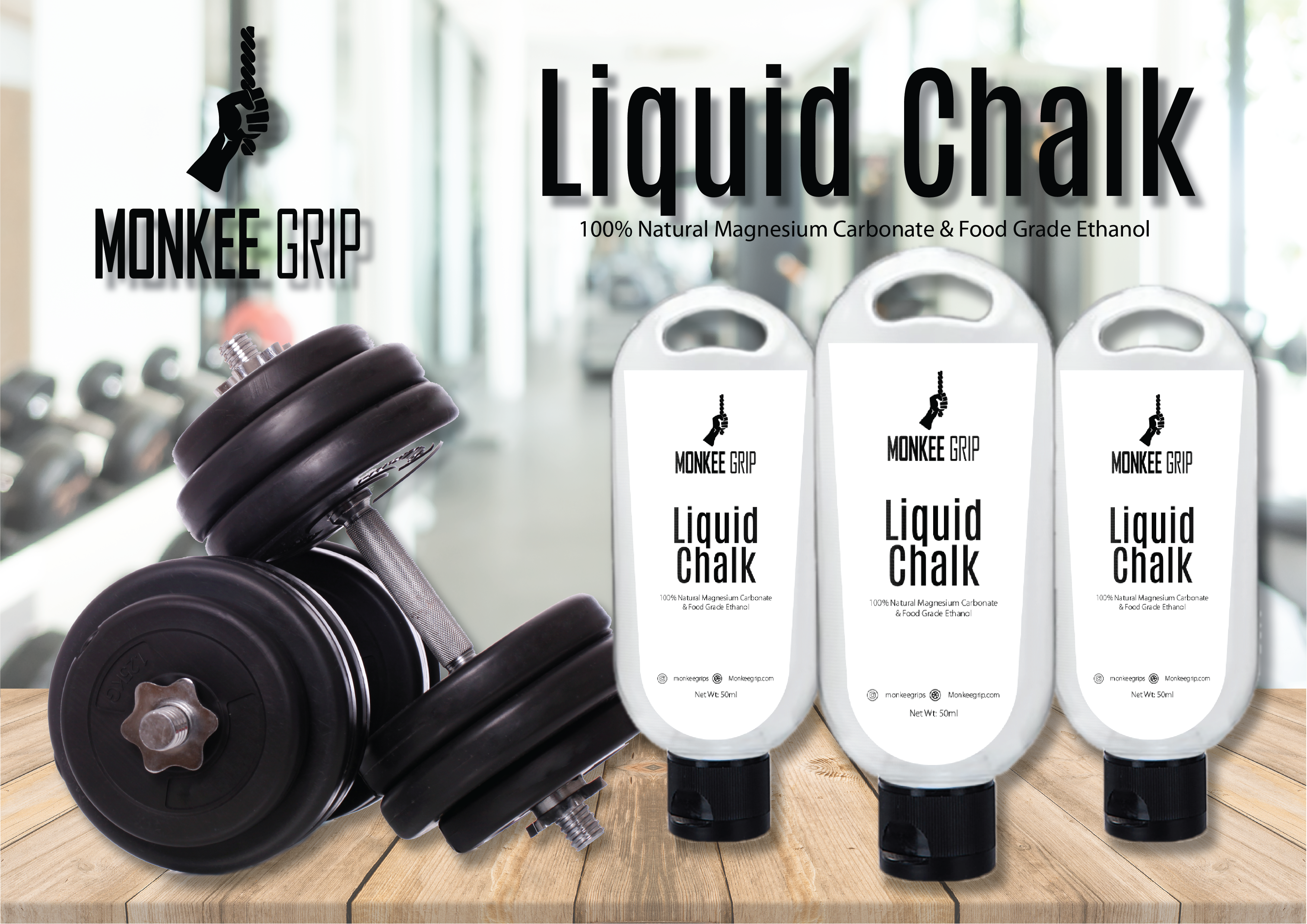
Liquid Chalk: Practical Uses and Skin Considerations
How to use liquid chalk without assuming it is residue-free, suitable for every skin type, or a guarantee against slipping.
Read more
Leave a comment
This site is protected by hCaptcha and the hCaptcha Privacy Policy and Terms of Service apply.