
How Hockey Players Can Build Game-Changing Grip Strength with Monkee Grips
When it comes to hockey performance, speed and power usually steal the spotlight — but grip strength might be one of the most overlooked skills on the ice. Whether you’re a high-school player or a pro, your grip influences stick control, shot consistency, and endurance. The difference between a weak third period and a dominant one often comes down to how long your hands and forearms can perform under pressure.
That’s where Monkee Grips come in — a simple, portable way to turn your regular training into a grip-strength powerhouse.
Why Grip Strength Matters in Hockey
Every shot, pass, and poke check begins with your hands. A stronger grip supports:
-
More controlled stick handling. Improved forearm endurance helps you maintain a light, responsive touch instead of overgripping and fatiguing.
-
More powerful shots. A strong grip helps you transfer force efficiently through the stick — one piece of the kinetic chain that adds torque and stability.
-
Stronger puck battles. Grip strength contributes to maintaining control when fighting for possession, especially when combined with balance and body leverage.
-
Grip endurance practice: record how long you can control a manageable hold. Whether that improves on-ice performance needs to be evaluated separately.
Professional players and performance coaches recognize this. Off-ice training often includes forearm rollers, rope pulls, and dead hangs — but those can require space, setup, and equipment most players don’t have time for.
The Monkee Grip Advantage for Hockey Players
Monkee Grips bring real-world grip training into any environment — from the gym to your home pull-up bar.
Here’s how they can give hockey players an edge:
-
Rope Friction = Game-Relevant Grip. Unlike rigid bars, Monkee Grips force your hands to create friction to stay connected — helping strengthen the same muscles and control patterns you rely on when handling your stick.
-
Manage tissue loading. Introduce rope work gradually; this article does not establish that it protects tissues during checks or quick transitions.
-
Endurance Under Load. The continuous tension of rope hangs builds forearm endurance, which may help reduce fatigue late in a game.
-
Progressive Levels. Start with Level 1 to develop control, then move to Level 2 for advanced hand power — ideal for players building strength over time.
3 Monkee Grip Exercises Every Hockey Player Should Try
-
Rope Dead Hangs
Attach Monkee Grips to a pull-up bar and hang for time. This builds isometric strength in your fingers, wrists, and forearms — the same control you need to keep your stick steady under pressure. -
Farmer Carries with Monkee Grips
Loop them around dumbbells or heavy bags and walk. It’s a simple way to build grip and shoulder endurance, supporting the muscle endurance you rely on through long shifts. -
Rope rows or assisted pull-ups offer another handhold. Use a load or assistance that lets you complete the intended movement, and track that version consistently.
From Practice to Power Play
Grip fatigue sneaks up on hockey players — especially late in the game.
Using Monkee Grips two or three times a week during off-ice workouts can help maintain forearm endurance and reduce that late-game drop-off.
Even short sessions — three sets of 30–60-second hangs or carries — can make a noticeable difference in your stick control and overall confidence with the puck.
Players at every level, from high school to professional, are incorporating grip-specific training to enhance their performance. Monkee Grips make that training simple, portable, and brutally effective.
Final Thoughts: Small Tool, Big Advantage
Grip exercises can complement hockey training. Keep skill practice, whole-body strength and recovery central, and judge transfer through the sport rather than promising a competitive advantage from one tool.
Read more
DIY Grip Training: What Works, What Doesn’t
When it comes to strength training, grip is the forgotten hero. You can have a strong back, chest, or legs — but if your hands can’t hold on, the set ends early. That’s why lifters, climbers, and a...
Read more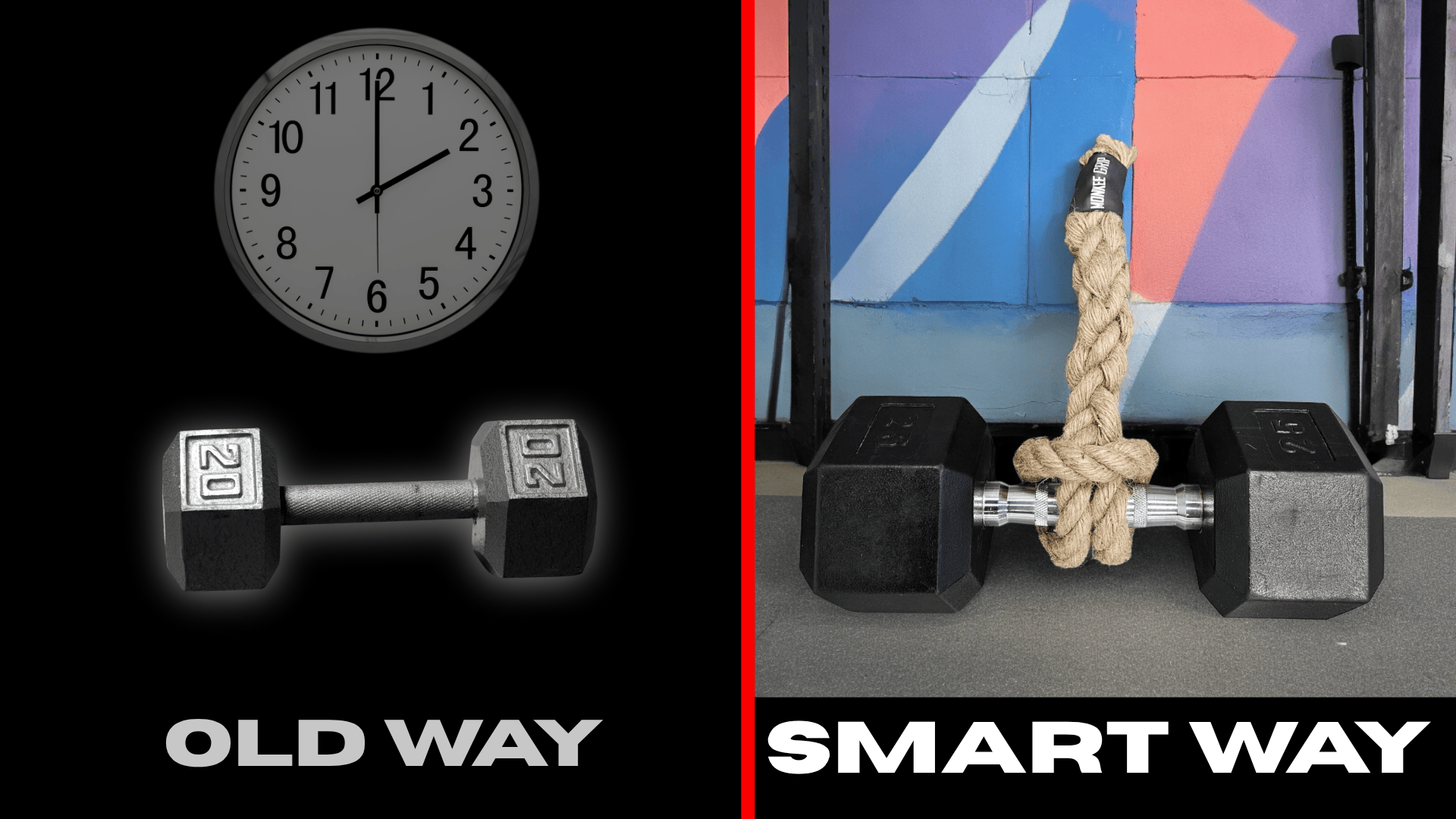
Add Grip Practice to Your Existing Workout
Make grip work part of a carry or row while recognizing the effects on load, fatigue and the main training goal.
Read more
Leave a comment
This site is protected by hCaptcha and the hCaptcha Privacy Policy and Terms of Service apply.