
Standard Dead Hangs Are Outdated — Here’s How Monkee Grips Make Every Second Count
Standard Dead Hangs Are Outdated — Here’s How Monkee Grips Make Every Second Count
The dead hang is one of the oldest and simplest grip exercises ever created — but that’s also its problem. Standard dead hangs are stable, predictable, and limited. You grab a fixed bar, hang, and wait until your hands give out. It’s good… but it’s no longer enough. If you want real, functional grip strength — the kind that carries over into climbing, combat, lifting, and sport — you need to challenge your hands the way they’re built to work: through friction and tension. That’s where Monkee Grips come in.
Why Traditional Dead Hangs Plateau
A standard bar hang keeps your hands locked in one position. Your nervous system quickly learns the movement, and the stress stops feeling new. You’ll still improve grip endurance for a while, but progress slows because you’re no longer forcing adaptation. Think of it this way — your hands aren’t fighting to stay connected; they’re just holding on to steel. You’re training strength, but not control, coordination, or friction-based power.
Not All Grips Are Created Equal
There are several types of grip strength — and each one activates different muscles, tendons, and neural patterns:
✅ Crush Grip – The power of your fingers squeezing around an object (think Monkee Grips, rope climbs, or heavy dumbbell holds).
✅ Pinch Grip – The strength between your thumb and fingers (like holding weight plates or sheets of metal).
✅ Support Grip – The ability to maintain a hold for time (classic bar dead hangs or farmer carries).
✅ Hybrid Grip – A mix of crush and support (like thick or “Fat Grip”-style bars).
Most people only ever train support grip — static holds with no instability or friction. Monkee Grips push you into crush grip territory, where your hands, forearms, and tendons have to create the tension that keeps you from sliding.
Crush Grip Training: Where Strength Meets Instability
When you hang from Monkee Grips, you’re gripping a flexible, friction-based surface — not a solid bar. Every second, your body adjusts to micro-movements to maintain tension and balance. Here’s what’s firing during a Monkee Grip dead hang:
🔥 Finger flexors — crushing tension to stay connected.
🔥 Forearm flexors and extensors — countering constant rotation.
🔥 Wrist stabilizers — fighting collapse and slippage.
🔥 Shoulders and lats — adjusting dynamically for balance.
🔥 Core and obliques — keeping your body centered under load.
This creates a total upper-body survival exercise, forcing your grip and stabilizers to adapt every second.
Why Thick and Fat Grips Aren’t Enough
Thick grips and Fat Grip-style attachments build crush power, but they still provide a stable, cylindrical platform to rest your palms on. They’re excellent for rows, curls, and presses — but when you hang vertically, they can spin or even slip off under load. Monkee Grips attach using a cow hitch (also called a girth hitch), locking them securely to any bar or anchor point. This ensures complete safety while keeping the challenge of friction-based instability intact. In short: thick grips build crushing power. Monkee Grips build crushing control.
Every Second Counts
With standard dead hangs, every second is endurance. With Monkee Grips, every second is adaptation. You’re not just hanging; you’re actively surviving. Your tendons strengthen. Your forearms harden. Your neural pathways learn to stay calm under instability. It’s not just about time — it’s about the quality of those seconds.
How to Train Smarter
Start small.
✅ Begin with short hangs (10–20 seconds) and build endurance gradually.
✅ Use assisted hangs with a band or one foot on the ground if needed.
✅ Progress to full dead hangs, then offset or weighted versions.
✅ Mix in farmer carries and pinch holds for complete grip development.
The goal isn’t just to hang longer — it’s to hang stronger.
The Takeaway
The standard dead hang built endurance. Monkee Grips build capability. By forcing friction, instability, and full-hand activation, they turn a passive hold into a complete strength-building system. You’re not just holding your weight — you’re commanding it.
🦍 Train smarter. Hang harder.
👉 Shop Monkee Grips: www.monkeegrip.com
🎥 See it in action: https://www.youtube.com/@MonkeeGrips
Read more
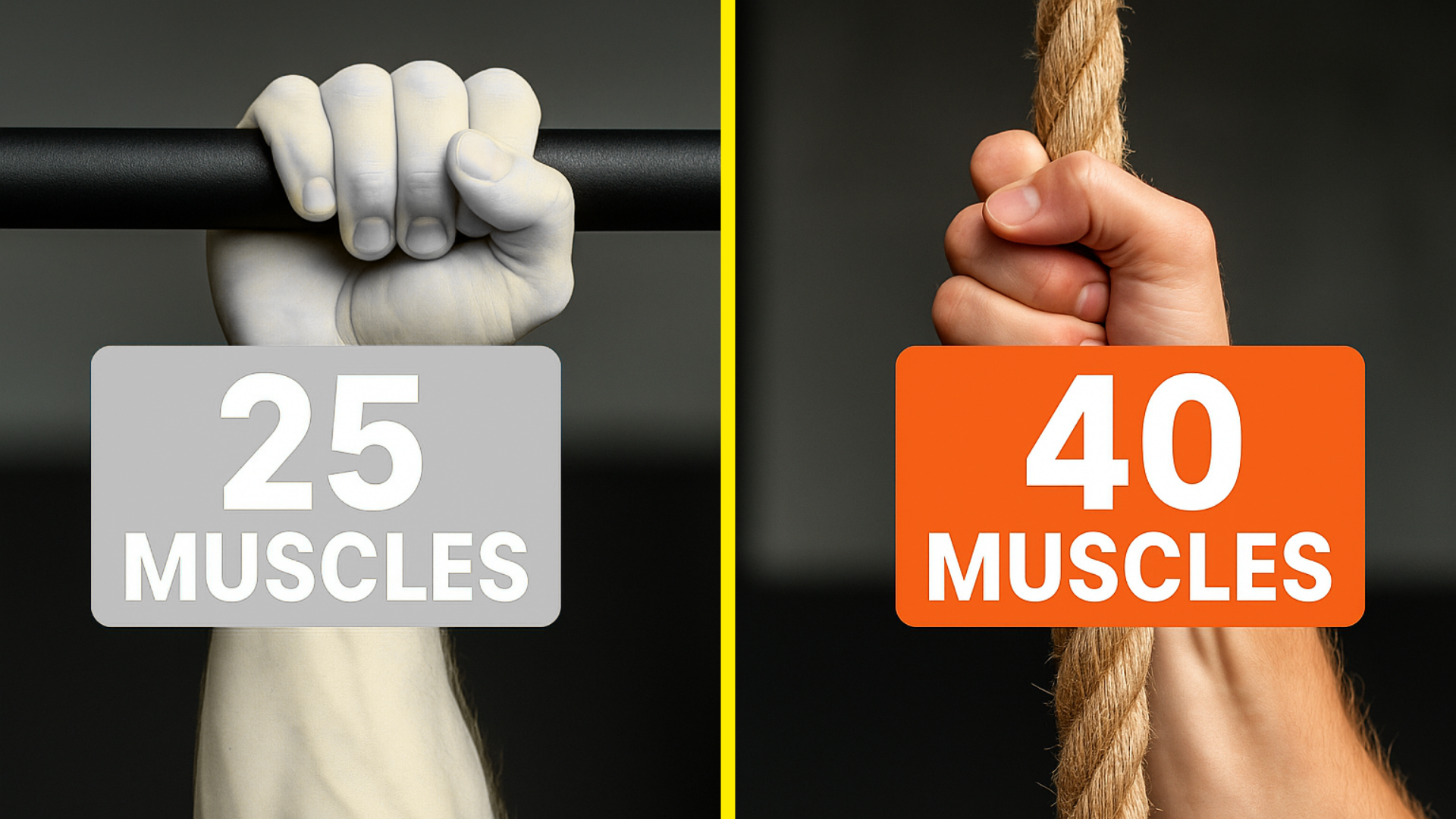
From 25 to 40+ Muscles: How Monkee Grips Transform the Pull-Up
Standard pull-ups only activate a fraction of your pulling potential. When you switch to Monkee Grips, the instability and friction demand trigger a full-body response—turning a simple pull-up into...
Read more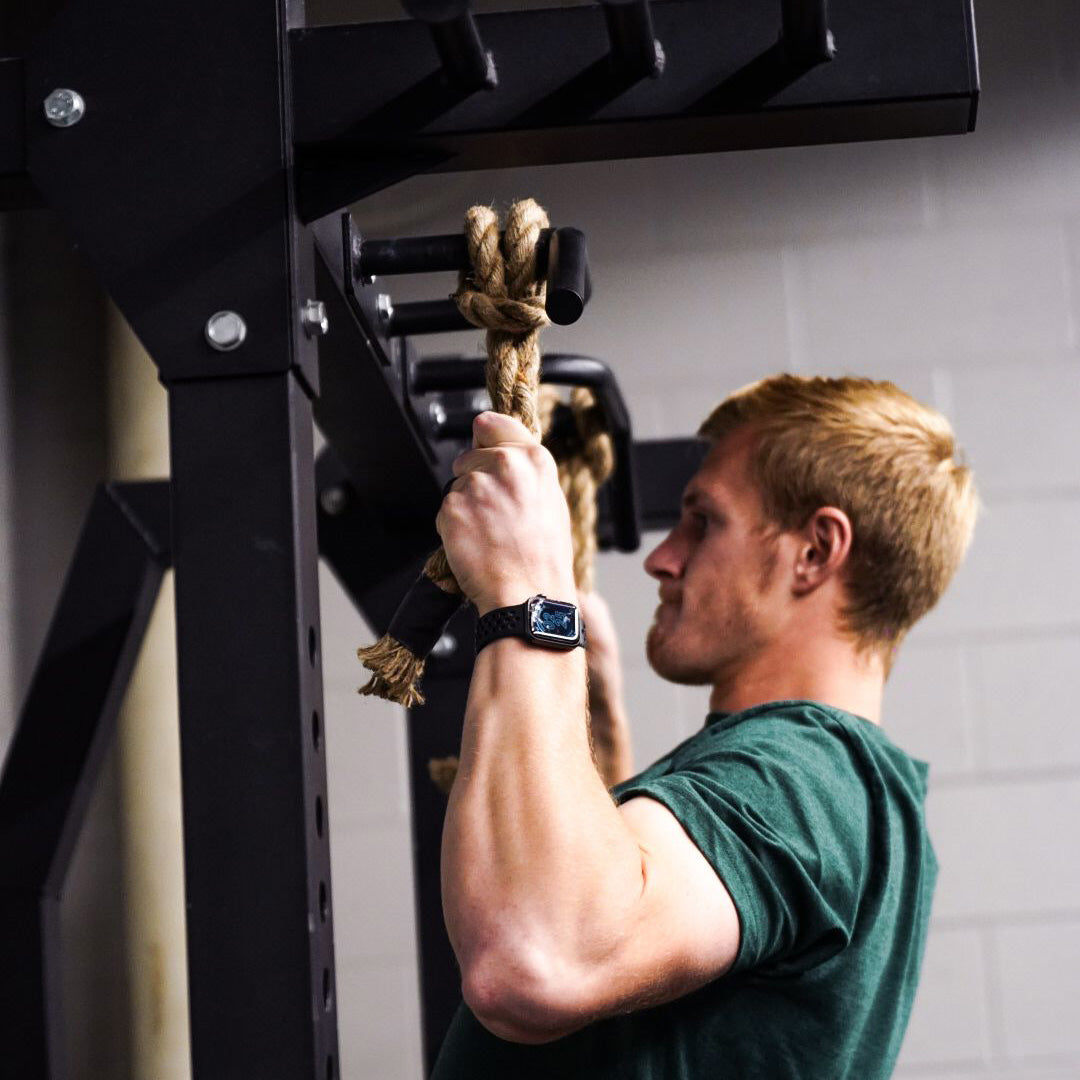
From Forearms to Core: How Rope Grip Dead Hangs Activate More Muscle Than You Think
Most people think dead hangs are all about forearms—but switch to rope grips, and you’ll feel muscles you didn’t even know existed. When you hang from friction instead of steel, your hands, shoulde...
Read more
Leave a comment
This site is protected by hCaptcha and the hCaptcha Privacy Policy and Terms of Service apply.