
How to Incorporate Grip Strength Exercises into Your Workout Routine
You can practice grip during a workout you already do. The useful starting point is choosing where that practice belongs, so tired hands do not prevent you from completing your priority exercise.
Watch: Add Grip Practice to a Cable Exercise (YouTube). Then use the choices below to plan one repeatable change.
1. Decide what this part of the workout is for
- Priority lift: If the goal is completing your planned heavy rows, deadlifts or other pulling work, preserve the grip and attachment that let you train that goal.
- Grip practice within an exercise: Choose a familiar movement, reduce the resistance as needed, and use a rope handhold you can control.
- Separate grip work: Place a manageable hold or carry after priority work, or on another suitable day, when hand fatigue would otherwise interfere.
You do not need to change every handle in a session. A different handhold creates a different task; your normal load may no longer fit.
2. Choose one starting exercise
- Cable machine available: Follow the cable setup and machine-fit guide, then choose one light row or curl.
- Suitable weights available: Use the farmer-carry guide to check attachment, floor clearance and a controlled set-down. A stationary hold is an option when there is no clear walking route.
- Suitable overhead anchor available: Start with the setup instructions and supported-hold options. A full bodyweight hang is not an entry requirement.
3. Make the first two sessions easy to compare
Example, not a required program: On one suitable training day, try two light sets of a familiar cable exercise after checking the connection. Leave enough control to return the weight smoothly. On a later suitable day, repeat the same machine, grip, load and movement before deciding whether to change anything.
If you prefer holds or carries, record the load and a short, controlled duration or route instead. The free starter plan gives a more structured starting option. Adjust around the pulling, climbing, sport and other grip work already in your week.
4. Record the task, not just the result
Write down the exercise, grip version, load or assistance, repetitions or time, and why you stopped. “Cable row, original jute, same machine, light stack setting, 10 controlled reps” tells you more than “grip day.”
Watch: Measure More Than Reps (YouTube). Use the grip-testing guide to build a record you can repeat.
5. Choose the next change from what happened
- The whole set stayed controlled: Repeat it, or make one small change to load, repetitions, time or assistance.
- Your hands ended the set before the intended movement: Lower the load, shorten the set, or return to your usual attachment for the remaining priority work.
- The setup or set-down became uncertain: Stop, correct the equipment or load choice, and recheck before another set.
If rope holds feel much shorter than bar hangs, read Bar Hang vs. Rope-Grip Hang: Compare Your Progress. Establish a separate baseline instead of treating the shorter time as lost strength.
Keep your next step simple
Start with setup and the free starter plan, follow the relevant exercise guide, and repeat one controlled session. Add more grip work when it fits the rest of your training, rather than chasing exhausted hands every day.
Read more
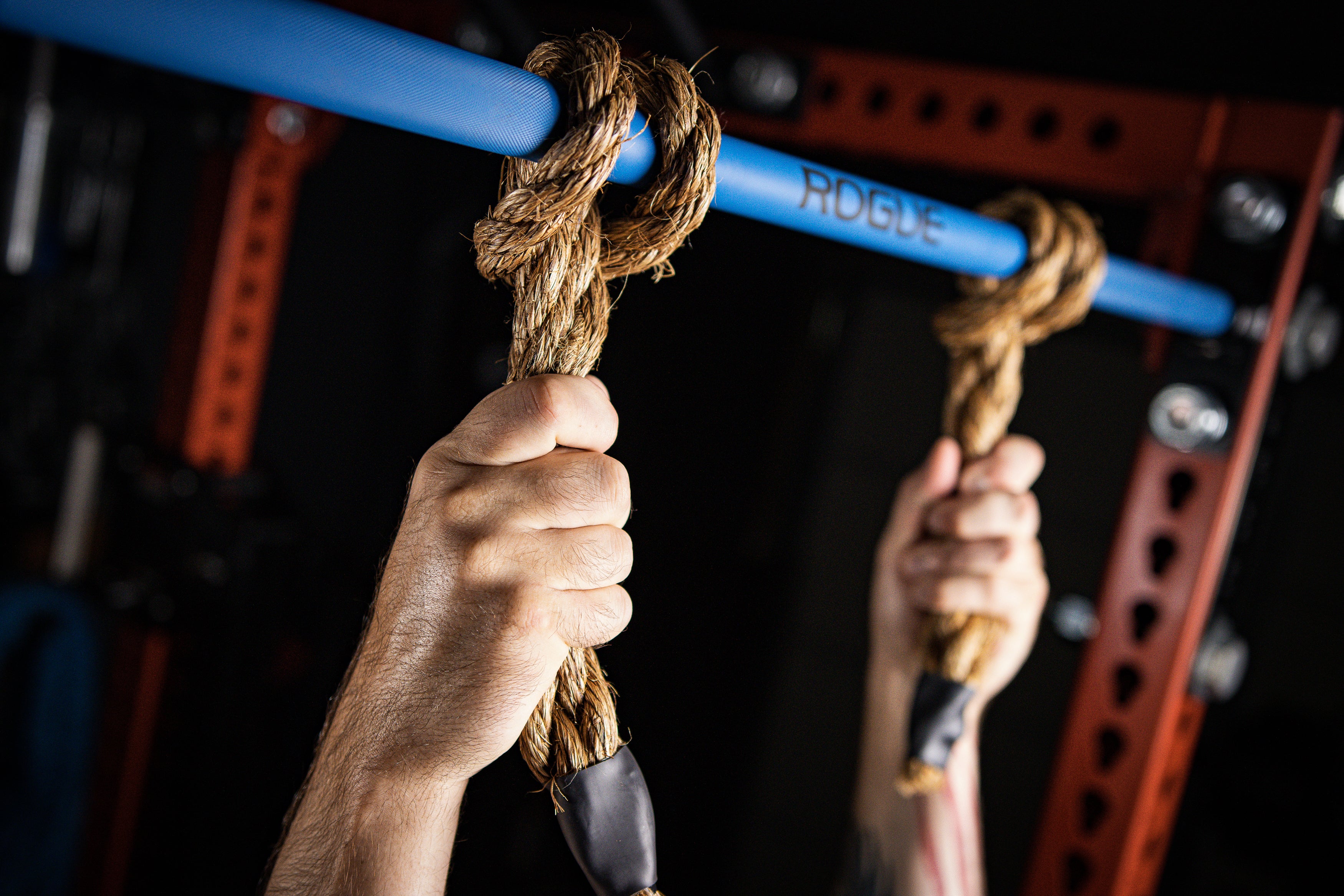
Choose grip exercises by task, record a repeatable starting point, and build gradually with equipment that fits your goal.
Read more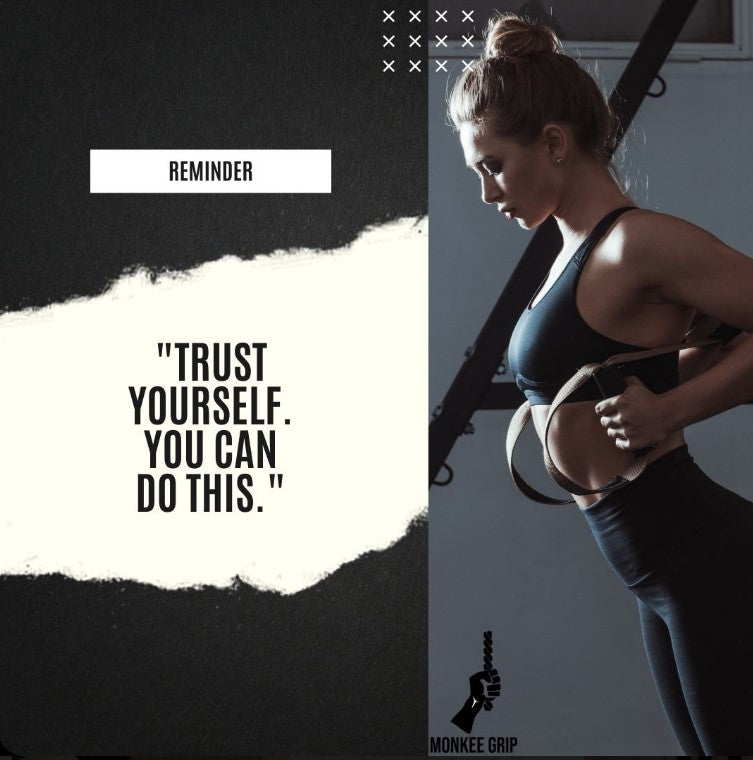
Grip Strength for Women: Practical Training and Progress
A practical approach to grip training for women, with appropriate reference data and progress based on your own starting point.
Read more
Leave a comment
This site is protected by hCaptcha and the hCaptcha Privacy Policy and Terms of Service apply.